Those who promote evolution often say it is a fact. For such certainty to be appropriate, there should be clear and indisputable evidence confirming it as a fact. This article will provide empirical and exclusive evidence for creation.

When I talk with university students, I ask them to convince me that evolution is true. I have two requirements. 1. That the evidence be empirically demonstrated – the gold standard of science; 2. That the evidence be exclusive to natural causes. Certainly, evolution, which is said to be the foundation of ALL science, should be able to meet those two basic requirements. Right?
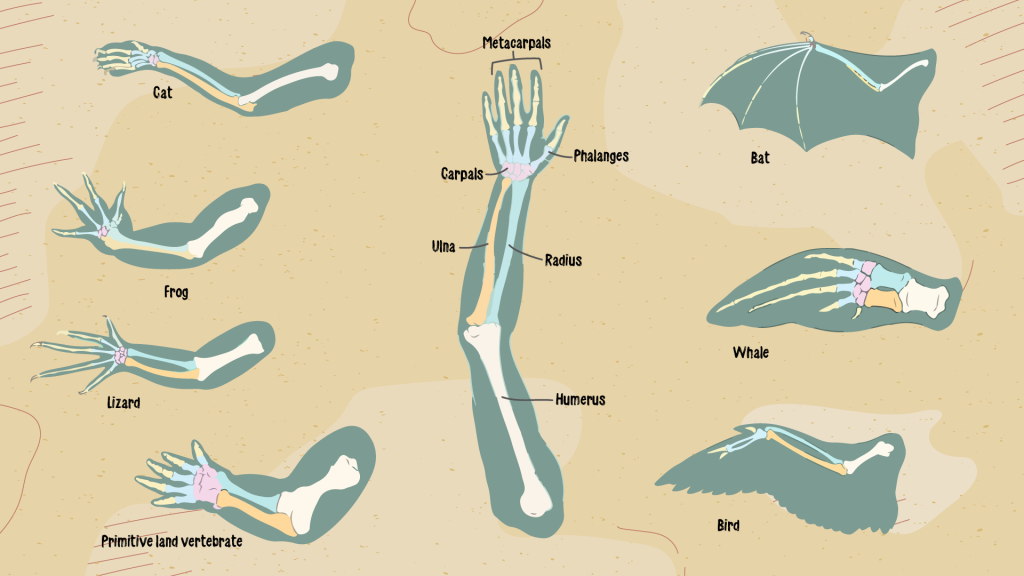
However, I have yet to learn of an example of evolution that is both empirical and exclusive to natural causes. For example, homology is often presented as evidence of evolution. Homology is the similarity of bone patterns in the forelimbs of bats, frogs, lizards, whales, and humans. This similarity between various vertebrates is said to be evidence of common descent. First, this is not empirical evidence. How do you create an experiment testing whether the similarity in limbs means one animal is a descendant of another? Just saying so is not science! Secondly, homologous structures can also be said to be evidence of creation. The evidence fits a Creator who designed several animals to utilize similar structures just as well. Therefore, both counts fail. In addition, I assert that all other evidence for evolution also fails the two requirements for demonstrating that evolution is true.
Instead of focusing this article on the problems related to evidence for evolution, I’m providing two examples of empirical evidence that exclusively support creation. I plan to share more examples later.

1. Biogenesis is a law. It has been demonstrated in laboratories and in everyday life that ‘life only comes from life’. Dogs come from dogs, seals come from seals, finches come from finches. Louis Pasteur, a chemist, is traditionally considered the father of modern immunology. In 1859 he disproved spontaneous generation of life by using a swan-necked flask that did NOT allow microbes into the flask, only air. By removing the microbes, he demonstrated that life does not come about spontaneously. This became known as the Law of Biogenesis. This is empirical and exclusive evidence pointing to a creation.
2. Design exists. Humans and animals design things. Birds design nests, beavers design dams and people design computer programs. So, the question is: are biological life forms designed, or are they formed by natural causes?
Mathematician William Demski, Ph.D., developed a formula, of sorts, for determining whether something is designed or not. He calls it an Explanatory Inference. Simply put, the formula goes like this. If something is highly complex and highly specified, then it is highly likely that the item was designed. Here are some examples:
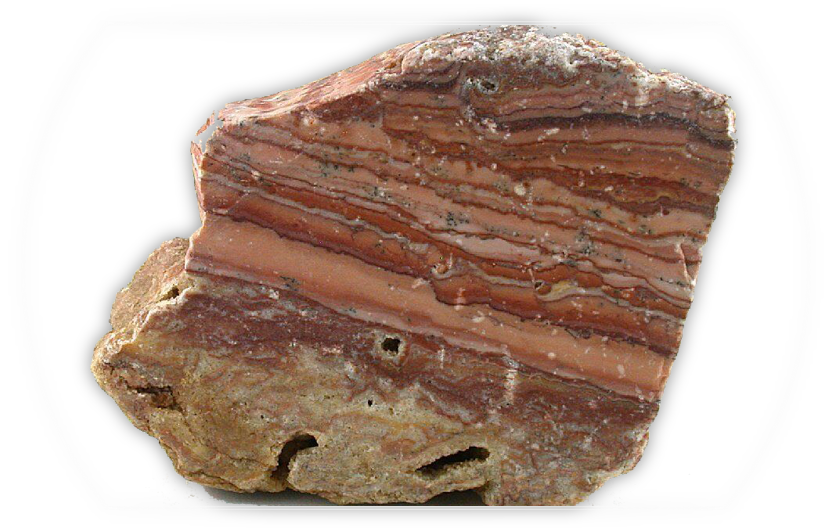
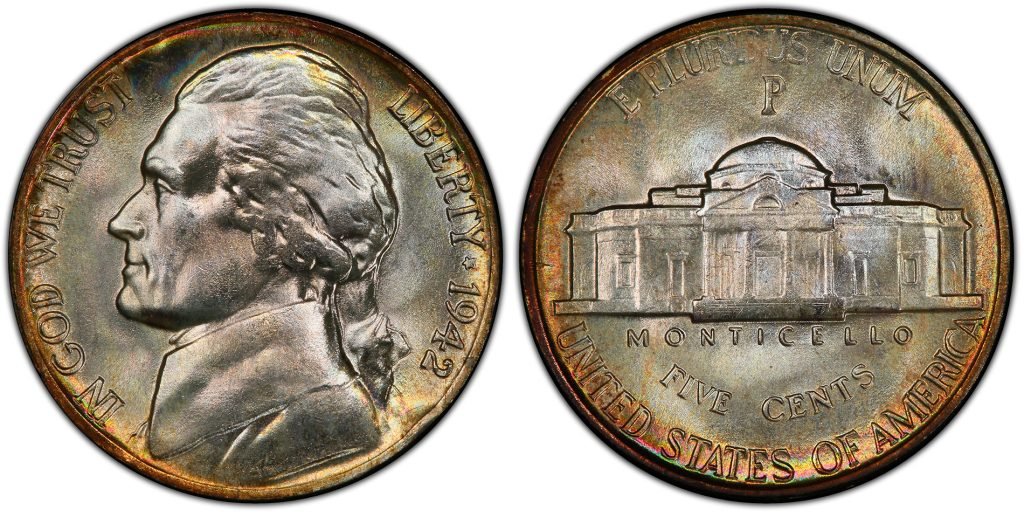
Pick up an average rock from the ground and ask yourself whether this rock shows complexity. Secondly, does it show specificity – is there a recognizable pattern? Suppose the rock is pretty basic, not very complex, and it has no shape that is recognizable. Then it is highly likely that the rock and its shape was not designed. Note: I am NOT talking about the chemical makeup of the rock. Next, find a nickel. Does it show complexity? Yes, there are words written into it, such as “Liberty” and “United States of America”. There are recognizable patterns such as the face of Thomas Jefferson and his home, Monticello. In contrast to the rock, the nickel is both highly complex and highly specified. Therefore, according to the formula, the nickel is highly likely to have been designed.
Let’s consider the essence of every living cell. I’m talking about DNA. Without it there is no life. DNA consists of 4 nucleotides which act as letters in the information code. It’s fascinating that there is a rule built into DNA that adenine only pairs with thymine and cytosine only pairs with guanine. It’s also interesting that these nucleotide letters are not arranged randomly but are like super-long words which form the code for a specific protein to be made. Change the arrangement of the nucleotides and you corrupt the protein. One of the things we know about DNA is that it creates the 20,000 or so proteins in the human body. What we are talking about is hyper-complex programming. We are talking about statistics, syntax, semantics, and application (making proteins). DNA is the most complex programming code known to humanity. It is also highly specified. Each nucleotide is specified, the pairs of nucleotides are specified, and the DNA code is specified in length, its contents and in other ways.
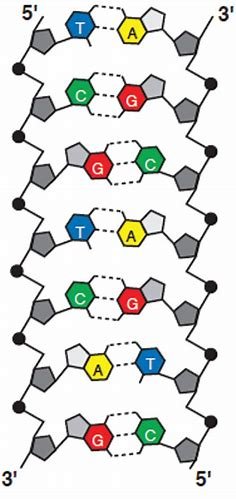
The fact that DNA is so complex and is so amazingly specified not only points to design, it screams it!
Have I convinced you that evolution is impotent? Have I convinced you that creation is scientifically confirmed every day? Maybe or maybe not. But you must admit it is curious that those who promote evolution as a fact cannot provide a single piece of evidence that is both truly empirical and exclusive to natural causes. If you have one, send it my way. Meanwhile, I could provide another ten examples of empirical and exclusive evidence for creation.
Jim Bendewald